
Sleep Disruption
Hormonal imbalance is a major cause of insomnia, restless nights, and poor sleep quality — especially after 35.
- Difficulty falling asleep
- Waking frequently during the night
- Night sweats or hot flashes disturbing sleep
- Waking too early and unable to fall back asleep
- Feeling unrefreshed despite adequate sleep time
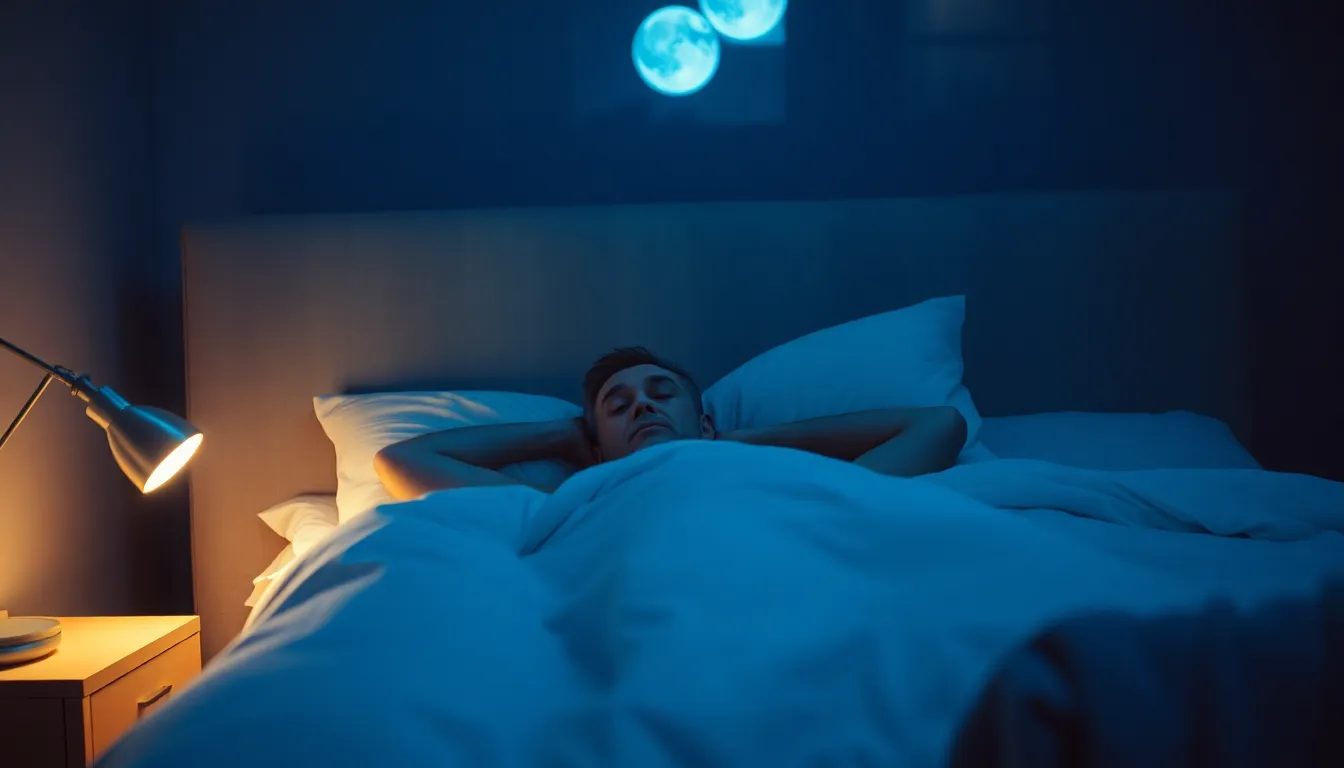
What Is Hormonal Sleep Disruption?
Sleep disruption related to hormonal imbalance is one of the most common — and most impactful — symptoms of declining or fluctuating hormones. Unlike situational insomnia caused by stress or lifestyle, hormonal sleep disruption tends to be persistent and resistant to standard sleep hygiene measures.
Hormones directly regulate sleep architecture — the cycling between light sleep, deep sleep, and REM stages. When progesterone, estrogen, testosterone, cortisol, or melatonin levels shift, the body’s ability to achieve and maintain restorative sleep is compromised.
Common Symptoms
Hormonal sleep disruption can present in several patterns:
- Difficulty falling asleep despite feeling tired
- Frequent nighttime awakenings — often between 2-4 AM
- Night sweats or hot flashes that wake you from sleep
- Waking too early with an inability to return to sleep
- Sleeping a full night but waking unrefreshed
- Increased reliance on caffeine, alcohol, or sleep aids
- Daytime fatigue, irritability, and reduced cognitive function
What Causes It?
Multiple hormones influence sleep, and imbalances in any of them can disrupt your nights:
- Low progesterone — Progesterone has a natural calming, sedative effect. Declining levels (common in perimenopause) directly reduce sleep quality and increase nighttime waking
- Fluctuating or low estrogen — Estrogen helps regulate body temperature and serotonin production. Declining estrogen causes night sweats and disrupts the neurotransmitter balance needed for sleep
- Low testosterone — In both men and women, suboptimal testosterone is associated with reduced sleep depth and increased sleep fragmentation
- Cortisol dysregulation — Elevated nighttime cortisol (from chronic stress) creates a “wired but tired” state that prevents sleep onset and causes early waking
- Thyroid dysfunction — Both hyper- and hypothyroidism can disrupt sleep patterns
- Declining melatonin — Natural melatonin production decreases with age, affecting circadian rhythm
How BHRT Can Help
At BHRT Boost, sleep restoration starts with identifying the specific hormonal contributors to your sleep disruption. Your lab panel evaluates progesterone, estradiol, testosterone, cortisol, thyroid markers, and related biomarkers.
Treatment targets the root causes:
- Bioidentical progesterone — often the single most effective intervention for sleep improvement
- Estrogen optimization to reduce night sweats and temperature dysregulation
- Cortisol rhythm restoration through adrenal support
- Testosterone balancing to support sleep depth
- Peptide therapy (e.g., Sermorelin) to enhance growth hormone release during deep sleep
- Thyroid optimization when dysfunction contributes to sleep disruption
What to Expect From Treatment
Sleep improvements are often among the first benefits patients experience. Many women notice better sleep within the first one to two weeks of starting bioidentical progesterone. Night sweats typically diminish within two to four weeks of estrogen optimization.
For men, sleep improvements often correlate with testosterone optimization and stress hormone management over the first month. Full restoration of consistent, deep, restorative sleep typically develops over one to three months as all contributing hormones reach optimal levels.
Recommended Treatments

Bioidentical HRT
Men & WomenCustom-compounded hormones identical to what your body naturally produces, tailored to your unique lab results and health goals.
Learn more
Estrogen Balancing
For WomenPrecise hormone balancing for women navigating perimenopause, menopause, or hormonal imbalance at any stage.
Learn more
Peptide Therapy
Men & WomenAdvanced peptide protocols to support recovery, metabolism, sleep quality, and cellular regeneration.
Learn more
Lab Review
Men & WomenIn-depth hormone panels and biomarker analysis to create a precise, data-driven optimization strategy.
Learn moreRelated Conditions

Perimenopause
For WomenPerimenopause marks the transition toward menopause, bringing hormonal shifts that affect mood, sleep, energy, and cycles.
Learn more
Menopause
For WomenMenopause brings significant hormonal changes that affect energy, sleep, mood, and long-term health. BHRT can help restore balance.
Learn more
Adrenal Fatigue
Men & WomenChronic stress can exhaust your adrenal system, leading to persistent fatigue, poor recovery, and hormonal imbalance.
Learn more
Start Your Personalized Hormone Optimization Plan
Book a consultation and take the first step toward renewed energy, clarity, and balance.