
Low Libido in Men
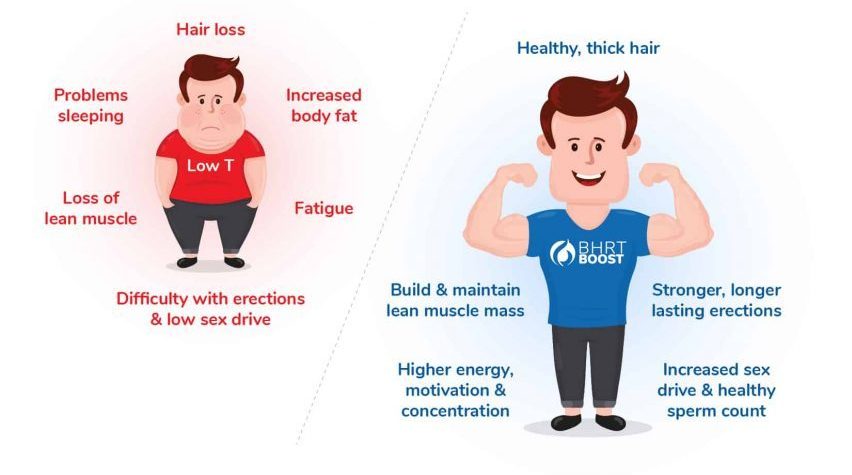
Reduced sexual desire in men is often hormonal. Testosterone optimization can restore drive, confidence, and intimacy.
- Reduced sexual desire or interest
- Difficulty with arousal or performance
- Decreased satisfaction or pleasure
- Fatigue affecting intimacy
- Emotional withdrawal or reduced confidence

What Is Low Libido in Men?
Low libido refers to a persistent decrease in sexual desire that affects a man’s quality of life and relationships. While fluctuations in desire are normal, a sustained loss of interest — especially when accompanied by other symptoms like fatigue, mood changes, or brain fog — often signals an underlying hormonal issue.
For many men, declining testosterone is the primary driver. But libido is complex — it involves testosterone, estrogen balance, thyroid function, stress hormones, sleep quality, and psychological factors working together.
Common Symptoms
Low libido in men often presents alongside other signs of hormonal imbalance:
- Noticeably reduced interest in sexual activity
- Difficulty becoming or staying aroused
- Less satisfaction from sexual experiences
- Fatigue that reduces motivation for intimacy
- Emotional distance or reduced confidence in relationships
- Changes in morning erections (frequency or quality)
What Causes It?
The most common hormonal cause of low libido in men is low or suboptimal testosterone. However, other factors frequently contribute:
- Elevated estradiol — When testosterone converts to estrogen at high rates, libido suffers
- Thyroid dysfunction — Hypothyroidism reduces overall vitality including sexual desire
- High cortisol — Chronic stress suppresses both testosterone production and sexual interest
- Poor sleep — Sleep deprivation directly lowers testosterone and impairs sexual function
- Medications — SSRIs, blood pressure medications, and opioids commonly reduce libido
- Metabolic syndrome — Insulin resistance and obesity correlate with lower testosterone and reduced desire
How BHRT Can Help
At BHRT Boost, low libido treatment starts with understanding the full hormonal picture. Your lab panel evaluates testosterone (total and free), estradiol, SHBG, prolactin, thyroid markers, and metabolic indicators to identify every contributing factor.
Treatment is tailored to what your labs reveal. For most men, testosterone optimization is the cornerstone — but your provider may also address estrogen management, thyroid support, or cortisol regulation depending on your results.
Some patients benefit from peptide therapy (such as PT-141) that works through central nervous system pathways to support sexual desire and arousal alongside hormone optimization.
What to Expect From Treatment
Many men notice improvements in desire and sexual confidence within the first two to four weeks of beginning testosterone therapy. Full benefits — including improved arousal, performance, and satisfaction — typically develop over one to three months as hormone levels stabilize.
Ongoing monitoring ensures your protocol remains effective and your levels stay optimized for sustained results.
Recommended Treatments
Testosterone Therapy
For MenEvidence-based testosterone therapy for men experiencing low T — restore drive, strength, and mental sharpness.
Learn more
Lab Review
Men & WomenIn-depth hormone panels and biomarker analysis to create a precise, data-driven optimization strategy.
Learn more
Peptide Therapy
Men & WomenAdvanced peptide protocols to support recovery, metabolism, sleep quality, and cellular regeneration.
Learn moreRelated Conditions

Low Testosterone
For MenLow testosterone affects energy, strength, mood, and libido in men. Personalized therapy can restore your levels and how you feel.
Learn more
Sleep Issues
Men & WomenHormonal imbalance is a major cause of insomnia, restless nights, and poor sleep quality — especially after 35.
Learn more
Start Your Personalized Hormone Optimization Plan
Book a consultation and take the first step toward renewed energy, clarity, and balance.