
Hormonal Weight Gain
Unexplained weight gain or difficulty losing weight often stems from hormonal imbalance rather than diet or exercise alone.
- Unexplained weight gain despite consistent effort
- Stubborn belly fat that won't respond to diet
- Increased appetite or cravings
- Slower metabolism and reduced energy
- Difficulty building or maintaining muscle

What Is Hormonal Weight Gain?
Hormonal weight gain refers to weight accumulation driven primarily by hormonal imbalance rather than excess caloric intake. When key metabolic and sex hormones fall out of balance, the body shifts into a pattern that favors fat storage, reduces muscle maintenance, and slows overall metabolism — making weight loss extremely difficult regardless of diet and exercise efforts.
This is one of the most frustrating symptoms patients report, because the conventional advice — eat less, move more — doesn’t address the underlying cause.
Common Symptoms
Hormonal weight gain often presents with specific patterns:
- Weight gain concentrated around the midsection, hips, or thighs
- Difficulty losing weight despite consistent dietary restriction and exercise
- Gradual increase in body fat with simultaneous loss of muscle tone
- Increased hunger, cravings for carbohydrates or sugar
- Feeling metabolically “stuck” — the scale doesn’t move regardless of effort
- Fatigue that reduces motivation and capacity for physical activity
- Bloating and fluid retention
What Causes It?
Multiple hormonal systems influence body weight and composition:
- Low testosterone — Reduces muscle mass, which lowers basal metabolic rate and promotes fat storage
- Estrogen imbalance — Both excess and deficient estrogen can drive fat storage patterns
- Thyroid dysfunction — Even subclinical hypothyroidism significantly slows metabolism
- Insulin resistance — Elevated insulin promotes fat storage and blocks fat burning
- Cortisol elevation — Chronic stress triggers visceral fat accumulation, especially around the abdomen
- Low DHEA — Declining adrenal hormones reduce metabolic resilience
- Poor sleep — Sleep disruption alters hunger hormones (leptin, ghrelin) and reduces metabolic rate
How BHRT Can Help
At BHRT Boost, weight management starts with understanding your full hormonal and metabolic picture. Your comprehensive lab panel evaluates testosterone, estrogen, thyroid markers (TSH, Free T3, Free T4, Reverse T3), fasting insulin, HbA1c, cortisol, DHEA-S, and other relevant biomarkers.
Treatment addresses the specific imbalances driving your weight gain:
- Testosterone optimization to restore muscle mass and metabolic rate
- Thyroid support to normalize metabolic function
- Estrogen balancing to address fat storage patterns
- Insulin sensitization strategies when metabolic dysfunction is identified
- Cortisol regulation through adrenal support
- Peptide therapy to support fat metabolism and body composition
The goal isn’t a crash diet — it’s correcting the hormonal environment so your body can respond normally to healthy nutrition and activity.
What to Expect From Treatment
As hormone levels optimize, most patients notice changes in energy and appetite within the first few weeks. Body composition shifts — reduced bloating, improved muscle tone, and gradual fat loss — typically become visible over two to three months.
Sustainable weight management requires patience and ongoing optimization. Your provider monitors your progress through regular labs and adjusts your protocol to support continued improvement over the long term.
Recommended Treatments

Bioidentical HRT
Men & WomenCustom-compounded hormones identical to what your body naturally produces, tailored to your unique lab results and health goals.
Learn more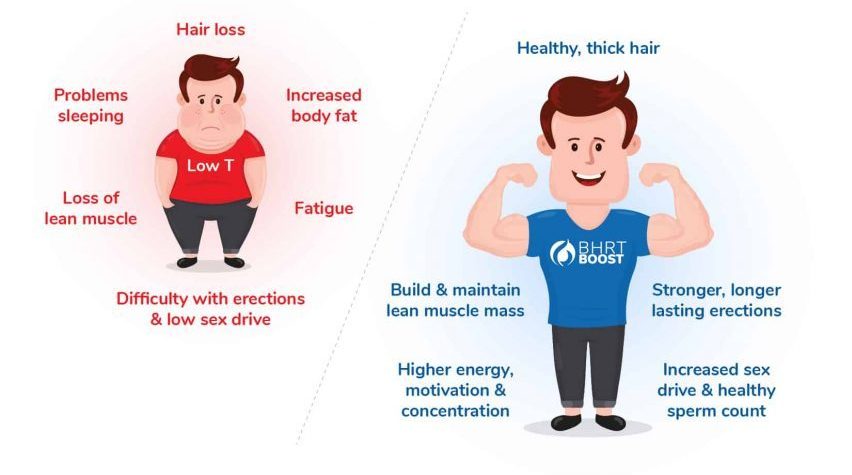
Testosterone Therapy
For MenEvidence-based testosterone therapy for men experiencing low T — restore drive, strength, and mental sharpness.
Learn more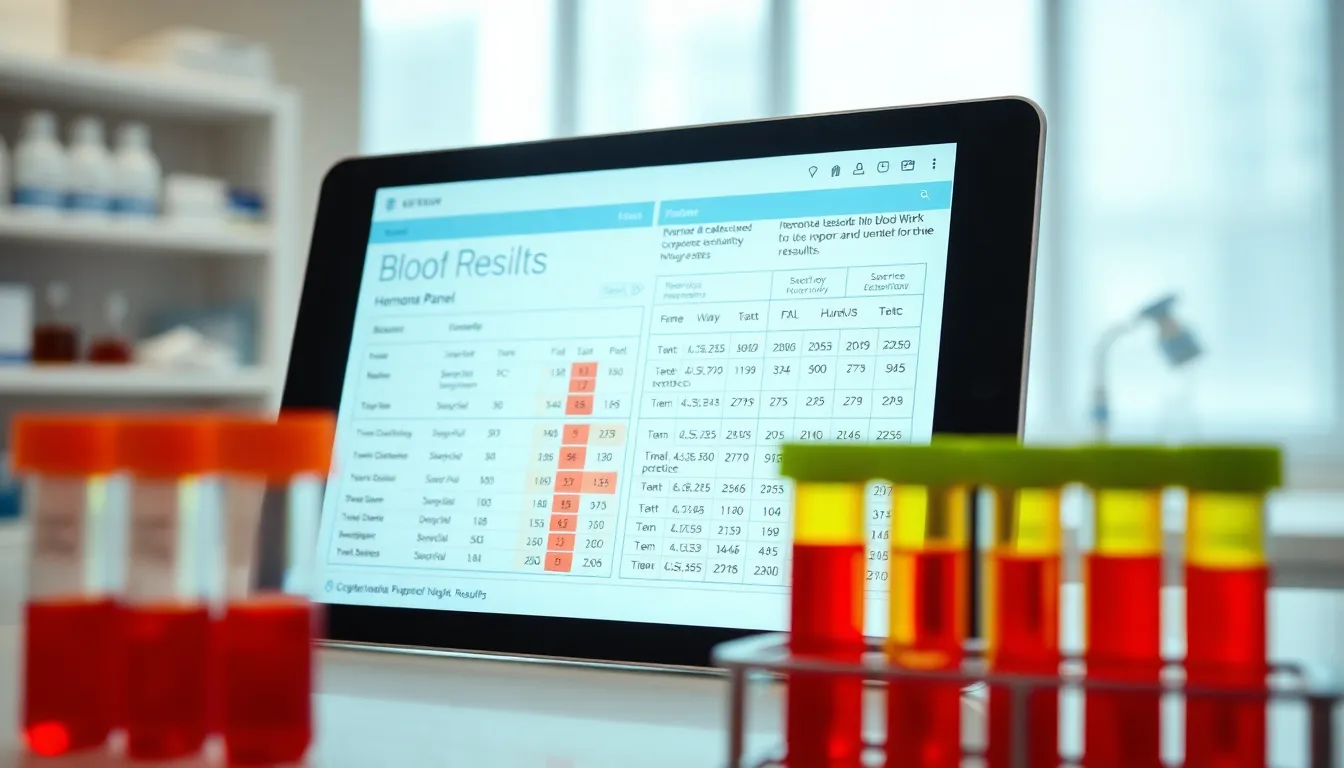
Lab Review
Men & WomenIn-depth hormone panels and biomarker analysis to create a precise, data-driven optimization strategy.
Learn more
Peptide Therapy
Men & WomenAdvanced peptide protocols to support recovery, metabolism, sleep quality, and cellular regeneration.
Learn moreRelated Conditions

Thyroid Imbalance
Men & WomenThyroid dysfunction can mimic hormonal symptoms like fatigue, weight gain, and brain fog. Comprehensive testing reveals the full picture.
Learn more
Adrenal Fatigue
Men & WomenChronic stress can exhaust your adrenal system, leading to persistent fatigue, poor recovery, and hormonal imbalance.
Learn more
Low Testosterone
For MenLow testosterone affects energy, strength, mood, and libido in men. Personalized therapy can restore your levels and how you feel.
Learn more
Start Your Personalized Hormone Optimization Plan
Book a consultation and take the first step toward renewed energy, clarity, and balance.