
Adrenal Fatigue
Chronic stress can exhaust your adrenal system, leading to persistent fatigue, poor recovery, and hormonal imbalance.
- Persistent fatigue, especially in the morning
- Difficulty recovering from stress or illness
- Cravings for salt or sugar
- Brain fog and poor concentration
- Low blood pressure or dizziness when standing

What Is Adrenal Fatigue?
Adrenal fatigue describes a pattern of symptoms associated with chronic stress and suboptimal adrenal function. The adrenal glands — small organs that sit on top of your kidneys — produce cortisol, DHEA, and other hormones that regulate your stress response, energy levels, immune function, and metabolism.
When the body is under prolonged stress — whether physical, emotional, or environmental — the adrenals can struggle to keep up with demand. The result is a disrupted cortisol rhythm that affects everything from morning energy to nighttime sleep.
Common Symptoms
Adrenal fatigue symptoms are often vague and overlap with other conditions, which is why comprehensive lab work is essential for accurate assessment:
- Feeling tired even after a full night’s sleep
- A “wired but tired” feeling — exhausted yet unable to relax
- Energy crashes in the afternoon
- Difficulty bouncing back from colds, infections, or physical stress
- Strong cravings for salty or sugary foods
- Brain fog and reduced mental stamina
- Low blood pressure or lightheadedness when standing quickly
- Reduced tolerance for exercise or exertion
What Causes It?
Adrenal fatigue is driven by chronic, unrelenting stress — not a single event, but sustained demand on the body’s stress response system over months or years. Contributing factors include:
- Prolonged work stress, emotional strain, or caregiving demands
- Chronic sleep deprivation
- Over-exercising without adequate recovery
- Poor nutrition and blood sugar instability
- Chronic infections or inflammatory conditions
- Major life changes or trauma
Over time, the adrenal glands may produce cortisol at irregular levels — too high at night (disrupting sleep) and too low in the morning (causing fatigue). This dysregulated cortisol pattern also impacts the production of other hormones including DHEA, testosterone, and thyroid hormones.
How BHRT Can Help
Adrenal support at BHRT Boost starts with understanding your cortisol rhythm through comprehensive lab work — including a cortisol curve, DHEA-S, and related markers. Your provider evaluates how adrenal dysfunction may be affecting your broader hormone balance.
Treatment may include:
- DHEA supplementation to restore depleted adrenal reserves
- Targeted support for cortisol rhythm regulation
- Thyroid optimization if concurrent dysfunction is identified
- Peptide therapy for recovery and immune support
- Lifestyle and nutrition guidance to reduce adrenal burden
When adrenal issues coexist with sex hormone imbalances — as they frequently do — your treatment plan addresses both systems together for more complete results.
What to Expect From Treatment
Adrenal recovery is a gradual process. With the right support, most patients begin to notice improved morning energy and reduced afternoon crashes within four to six weeks. Sleep quality typically improves within the first month.
Full recovery of the cortisol rhythm and sustained energy restoration may take three to six months, depending on the severity and duration of the underlying stress pattern. Ongoing lab monitoring tracks your progress and guides adjustments.
Recommended Treatments

Lab Review
Men & WomenIn-depth hormone panels and biomarker analysis to create a precise, data-driven optimization strategy.
Learn more
Bioidentical HRT
Men & WomenCustom-compounded hormones identical to what your body naturally produces, tailored to your unique lab results and health goals.
Learn more
Peptide Therapy
Men & WomenAdvanced peptide protocols to support recovery, metabolism, sleep quality, and cellular regeneration.
Learn moreRelated Conditions

Thyroid Imbalance
Men & WomenThyroid dysfunction can mimic hormonal symptoms like fatigue, weight gain, and brain fog. Comprehensive testing reveals the full picture.
Learn more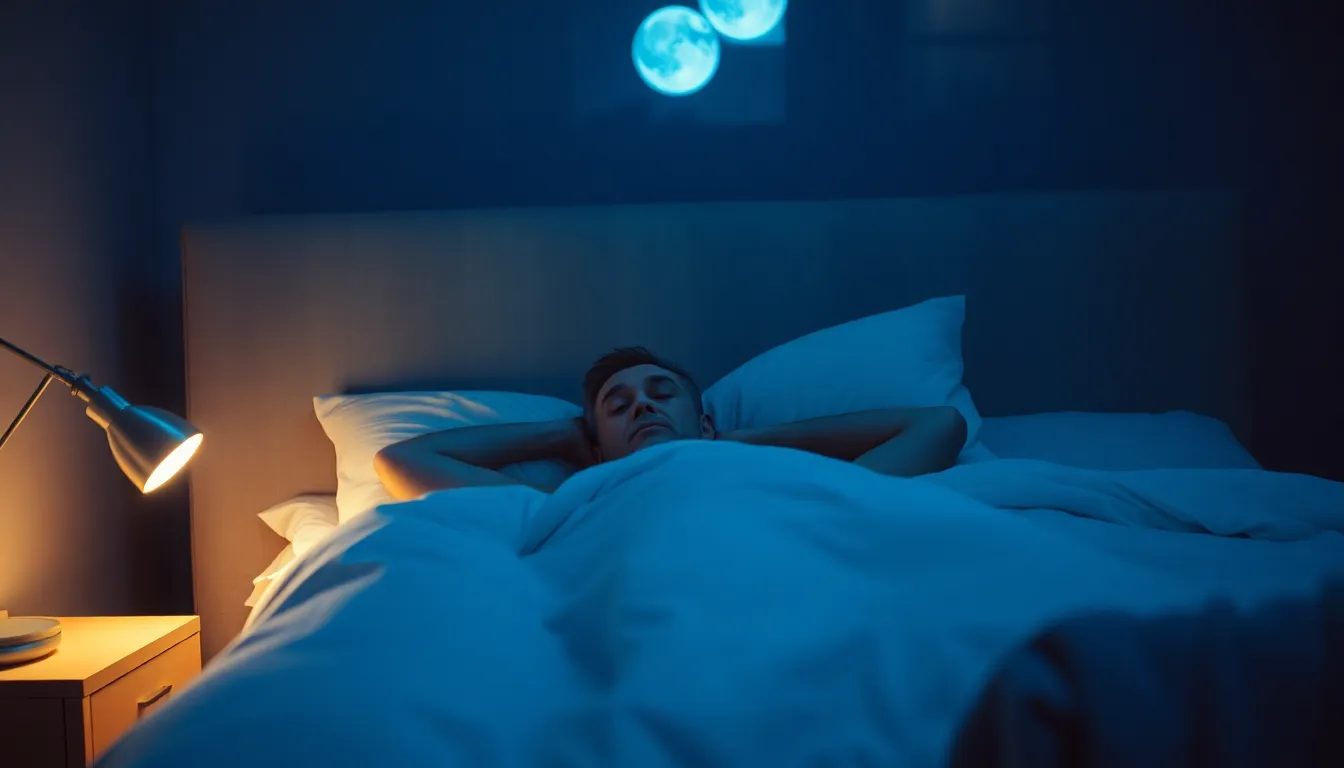
Sleep Issues
Men & WomenHormonal imbalance is a major cause of insomnia, restless nights, and poor sleep quality — especially after 35.
Learn more
Brain Fog
Men & WomenHormonal imbalance is a leading cause of brain fog, difficulty concentrating, and memory lapses in adults over 35.
Learn more
Start Your Personalized Hormone Optimization Plan
Book a consultation and take the first step toward renewed energy, clarity, and balance.